

- CCE’s Imaging Task Force is developing a study to validate the predictive and early response radiomics signatures to atezolizumab in molecularly selected populations with advanced solid tumours.
- The study is using data from CCE Basket of Baskets (BoB) trial.
- The Federated Learning approach, a key component of the study, allows multiple centres to collaborate while keeping their data safe and divided.
Cancer Core Europe’s Imaging Task Force started, back in 2022, a study to develop and validate CT-radiomics, a specialized CT scan analysis technique, with the primary objective of predicting the response of solid tumors to atezolizumab, a type of immunotherapy drug.
Exploring the CT-Radiomics Study
Led by Raquel Perez-Lopez and Adrià Marcos Morales from the Vall d’Hebron Institute of Oncology (VHIO), the study explores the idea of analyzing if CT scans in a detailed way can provide valuable information about tumor biology, including how tumors respond to treatment and their genetic characteristics.
“Specifically, the study aims to evaluate tumor phenotypes based on pre-treatment CT imaging and early changes in response to atezolizumab; to determine if these scans can reveal information about the genetic makeup of tumors; and investigate how CT scan images correlate with physical measurements taken from tissue samples”, explains Dr. Raquel Perez-Lopez Group Leader of VHIO’s Radiomics Group and CCE Imaging Task Force leader.
Facilitating the study’s endeavors are the German Cancer Research Center (DKFZ) and the National Center for Tumor Diseases (NCT) Heidelberg. Both centres are collaborating to develop the Kaapana platform, an open-source toolkit for state-of-the-art feature provisioning in the field of medical data analysis, features including a DICOM visualizer, a MinIO filesystem and an Airflow environment for pipelines execution implementing the Federated Learning communication protocols among others.
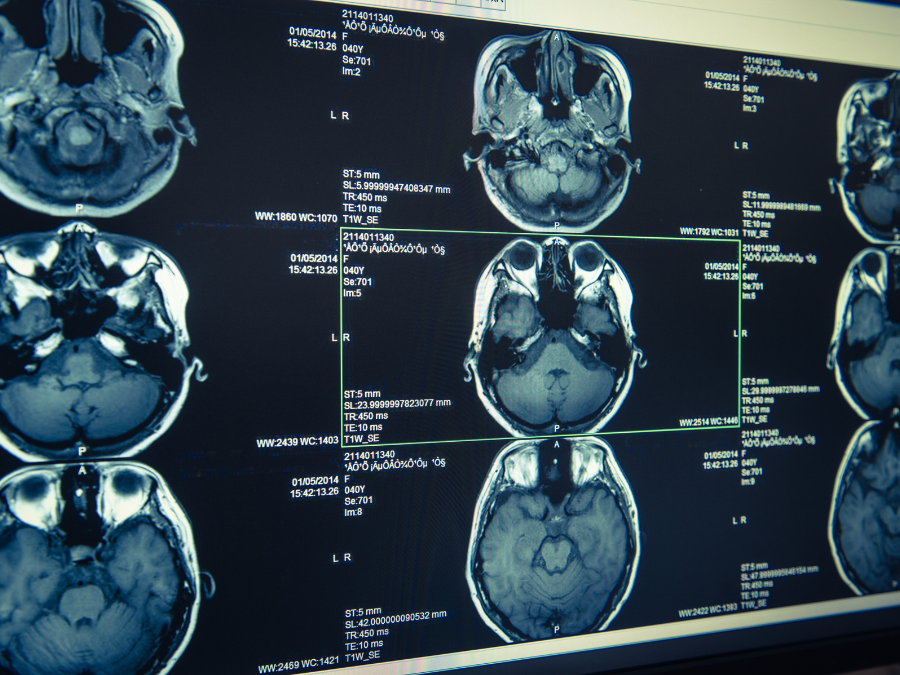
The study has been using open-access data during its development phase and in 2024 will incorporate data from CCE’s Basket-of-Baskets (BoB) trial. In addition, the project has been employing a collaborative approach known as federated learning. This method allows different medical centres to work together to train a model while keeping their data private and decentralized. During the development of the Federated learning algorithms, the Netherlands Cancer Institute (NKI) provided the segmentations for a set of open access CT scans used for pipeline testing.
Milestones and Progress
As the study approaches its second-year milestone, significant progress has been achieved. Completion of the initial work package marks a pivotal moment, focusing on response prediction using well-stablished technologies. Looking forward, the taskforce sets its sights on leveraging emerging technologies, with advanced Deep Learning algorithms ready for implementation by 2025. Simultaneously, data collection efforts across CCE centres are underway and a new dataset will be available in May to train the algorithms.
Fostering Collaboration Through Radiomics
Radiomics emerges as a transformative tool, offering quantitative insights into tumor tissue features through sophisticated algorithms. By noninvasive procedures, researchers seek to improve cancer diagnosis and treatment decision-making across Europe. This study not only aims to develop a radiomics signature for treatment response prediction but also prepare the way for a fully functional federated network, fostering future studies and collaborations within CCE.
